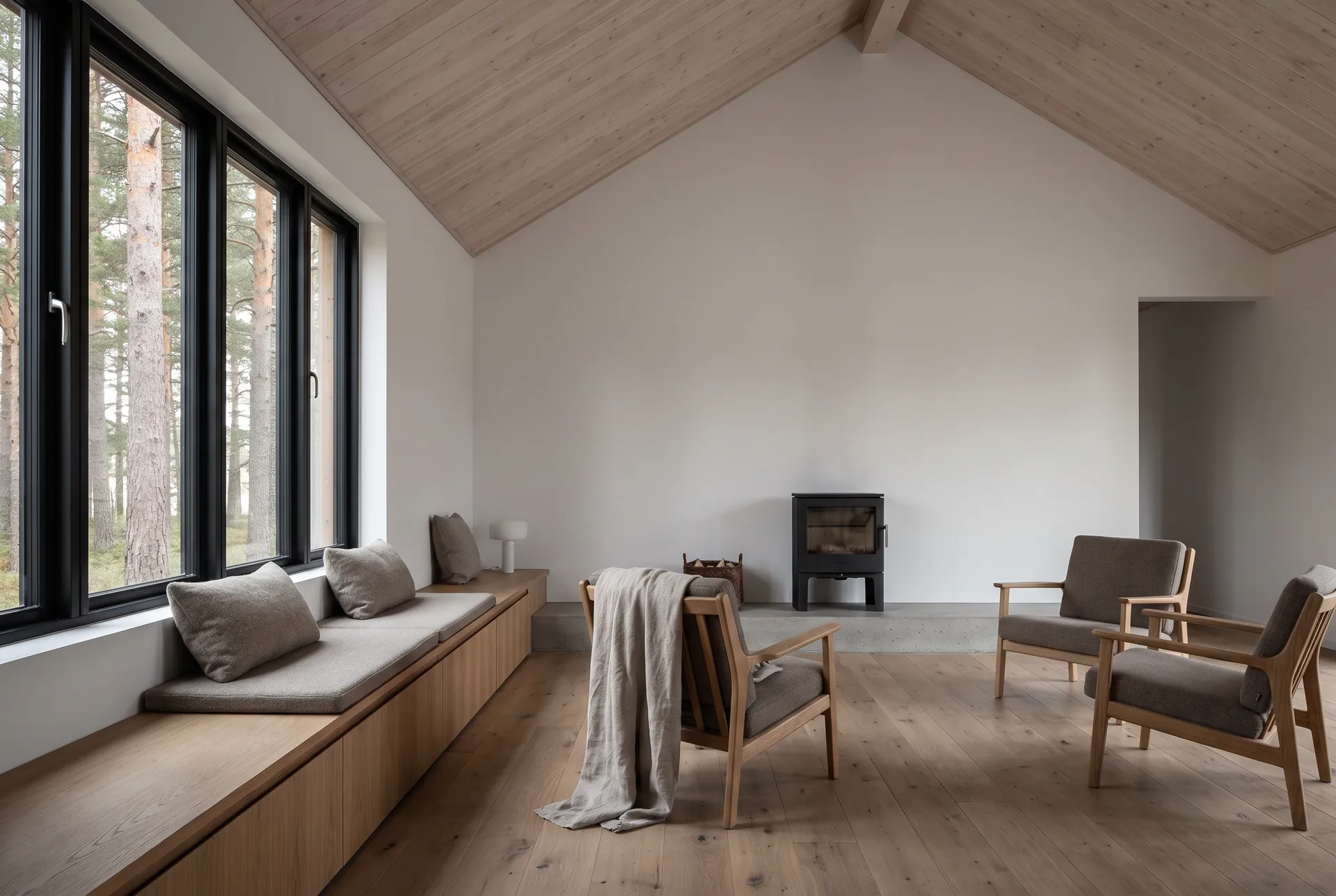
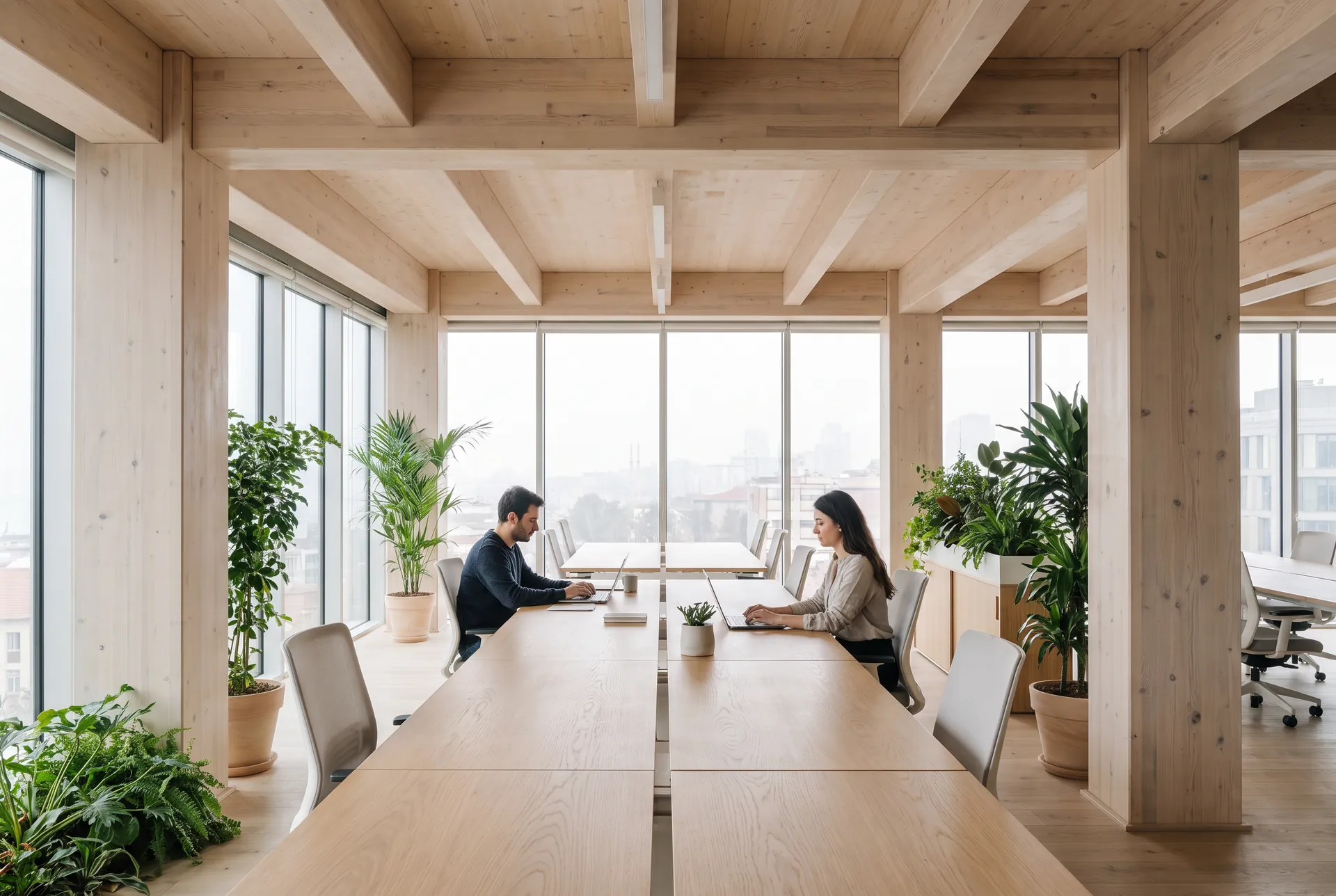
Why light starts with the window: five lessons from Copenhagen to Istanbul
In the Nordic winter the day lasts six hours, so architects there learned to use light as a material. Here is why the same lessons still apply under Istanbul's generous sun.
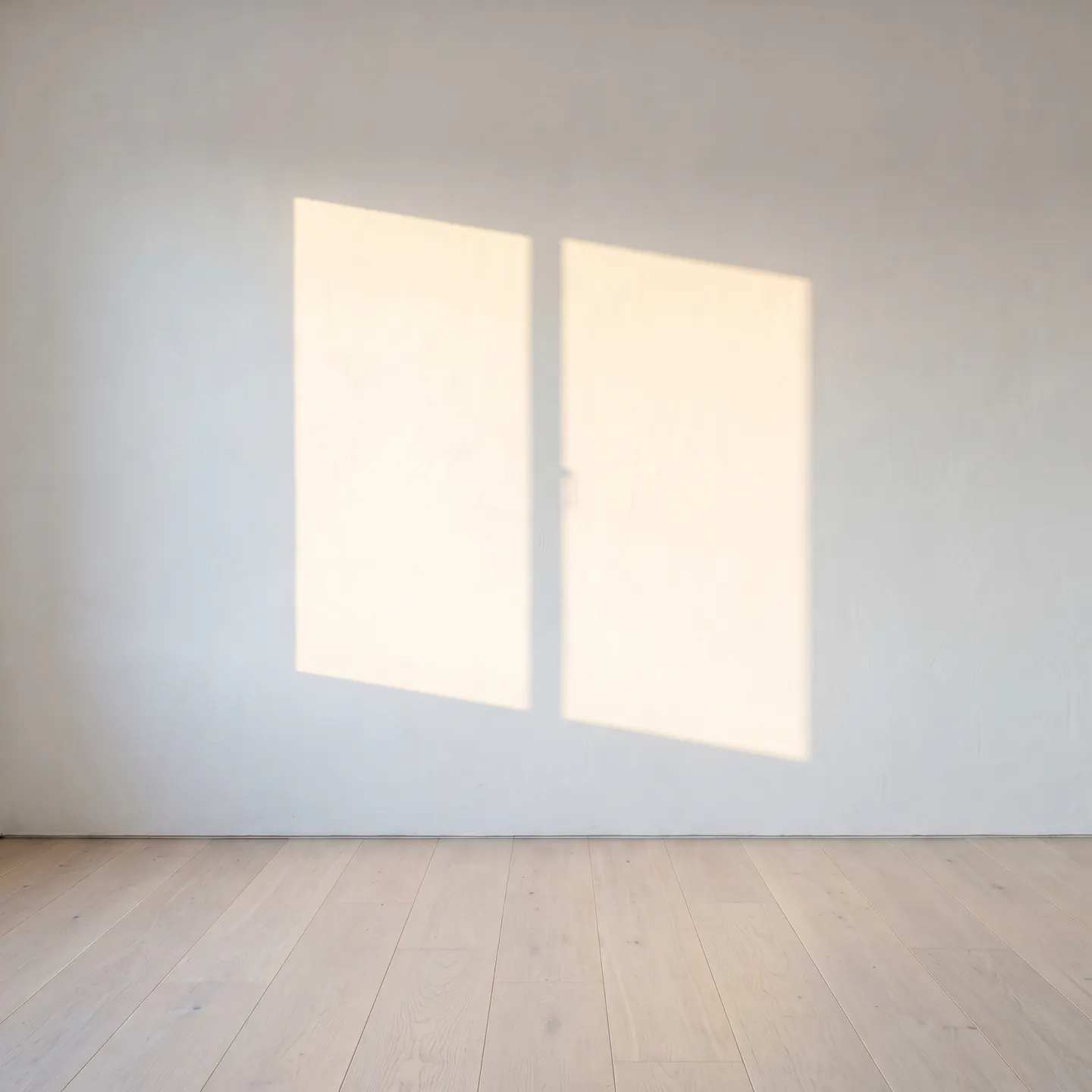
In my first winter of five years in Copenhagen, it was dark by half past three. That was when I understood why everyone at the office talked so much about windows: when light is scarce, where and how it enters decides everything.
In Istanbul we have the opposite problem. The sun is generous, but it is either kept out completely or allowed in without control. Curtains stay closed and lights are on at midday. The five lessons below come from questions we ask ourselves on every project.
1. Where a window sits matters more than its size
A wide window in the middle of a wall can spread less light than a narrow one placed in a corner or close to the ceiling. A high window carries light deep into the room; a corner window grazes the wall and gives it texture. That is why the library windows of the Kadıköy Cultural Centre run up to the ceiling.
2. North light is the most faithful light
Painters set up their studios with north-facing windows for a reason: north light does not change through the day, casts no hard shadows and does not glare. In the university library in Eskişehir, the reading hall is lit entirely by north-facing roof lights. Readers work in the same light at nine in the morning and at six in the evening.
3. Depth, not eaves
Sun shades added to a facade are often the first part of a building to age. Setting the window back into the wall, creating a deep reveal, does the same job by itself: high summer sun stays out, low winter sun reaches the floor. The Şile Forest House has no eaves.
4. A white wall is a reflector
Scandinavian interiors are white for reasons of physics, not fashion. A pale wall reflects most of the light it receives back into the room; a dark wall absorbs it. Under Istanbul's strong light the difference is less noticeable, but it still decides north-facing rooms and winter days.
5. Design the light at night too
How a building looks in the evening matters as much as how it looks by day. At night windows become lanterns. Keeping interior lighting low and warm gives a restful room inside and a calm image from outside.
None of these lessons is new. But it is why the first day on every new site is spent following the light.